


Your Child Failed Math This Year: Here’s What to Do This Summer Tutoring in Palm Beach
- Denise
- May 14
- 3 min read
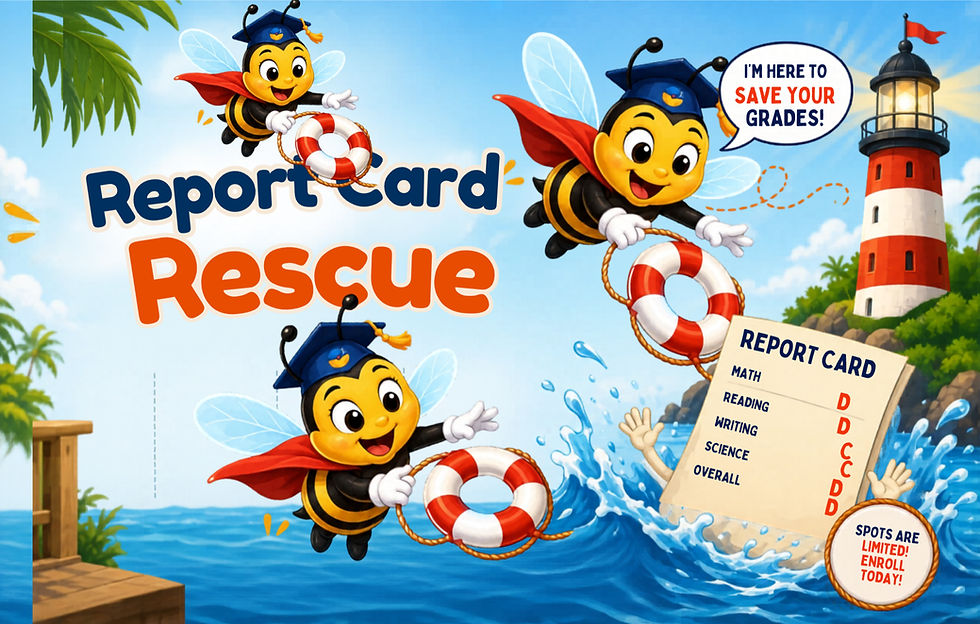
The report card arrived, and the number you were afraid of is staring back at you. Your child failed math. Or maybe they did not technically fail, but the grade is low enough that you know they are not prepared for the next level. Either way, the pit in your stomach is real.
Take a breath. This is not the end of the story. It is the beginning of a new one; if you use this summer wisely. A difficult school year does not mean your child is not smart, capable, or able to improve. It means something in their learning foundation needs attention. Summer gives you the chance to address those gaps before they carry over into the next grade.
The most important thing you can do is not wait until August. Many parents hope the problem will fix itself once their child gets a break from school, but academic gaps rarely disappear on their own. In fact, when math skills are already weak, weeks without practice can make the next school year feel even harder. If your child ended the year behind, the time to act is now.
The next step is figuring out where the gaps actually are. A failing grade tells you there is a problem, but it does not tell you the cause. Your child may be struggling with fractions because multiplication facts were never mastered. They may be lost in algebra because number sense is weak. They may know the material but freeze during tests. Without identifying the root issue, it is easy to spend the summer reviewing the wrong things.
That is why a diagnostic assessment matters. Before jumping into tutoring, you need to know what skills are missing, how far back the gaps go, and what kind of instruction your child responds to best. This gives you a clear plan instead of guessing.
You should also talk to your child’s math teacher before the year fully ends, if possible. Ask what specific skills your child needs to strengthen over the summer and what they would need to demonstrate to begin next year on solid footing. This information can help make summer learning more focused and aligned with what will be expected in the fall.
It is also important to choose structured support, not just “more help.” Homework help is useful during the school year, but a child who failed math needs more than someone sitting beside them while they complete assignments. They need targeted instruction that rebuilds foundational skills, tracks progress, and restores confidence.
Just as importantly, reframe the conversation for your child. They already know they struggled. What they need now is not shame, pressure, or another reminder of the grade. They need to hear that struggling in math does not mean they are bad at math forever. It means they need a different approach, more support, and time to rebuild.
Frame summer learning as preparation, not punishment. Instead of saying, “You failed, so now you have to do tutoring,” try saying, “We are investing in you so next year feels better.” That shift matters. Confidence is often one of the first things students lose after a difficult school year, and rebuilding it is part of the recovery process. A bad school year does not have to define the next one. With the right support, your child can use the summer to strengthen skills, close gaps, and walk into the new school year with more confidence.
For families looking for a focused summer solution, Redefined Teaching offers Report Card Rescue, a summer tutoring support program designed for students who finished the year behind and need targeted help before school starts again.
For students who need continued support beyond the summer, Academic Recovery is available during the school year to help them stay on track, rebuild skills, and continue progressing with consistent academic tutoring support.
Ready to help your child catch up before fall? Schedule your child’s Free Diagnostic Assessment with Redefined Teaching today.


Comments